
Exploring the Resurgence of Local Play in Console Gaming Culture
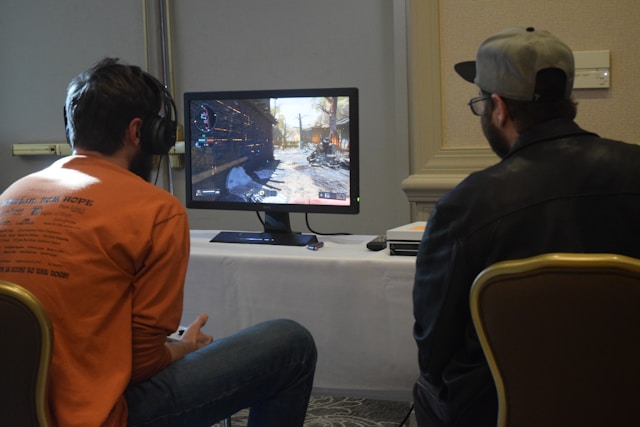
The Revival of Couch Co-op Gaming
In recent years, the gaming community has witnessed a remarkable revival of local multiplayer experiences, especially in console gaming. Titles like Mario Kart 8 Deluxe and Overcooked! have brought players back to their couches, redefining the social dynamics of gaming. This resurgence offers a stark contrast to the solitary nature of online multiplayer games, breathing new life into local play.
The Charm of Local Multiplayer
Local multiplayer games offer a unique charm that is hard to replicate online. Sitting next to your friends, sharing snacks, and exchanging playful banter enhances the gaming experience beyond what any headset can deliver. These interactions create lasting memories, fostering a sense of community and camaraderie.
Games like Mario Kart 8 Deluxe capitalize on this by offering split-screen racing action that is both competitive and accessible to players of all skill levels. The thrill of overtaking a friend in the last corner or getting hit by a well-timed blue shell is amplified when you’re sitting shoulder to shoulder.
Design Elements Driving Local Play Success
Modern local multiplayer games often incorporate specific design elements that enhance their appeal. These include intuitive controls, easy-to-understand mechanics, and engaging gameplay loops. By focusing on these elements, developers ensure that games are enjoyable for both casual and hardcore gamers.
- Simple Controls: Games like Overcooked! use straightforward controls to allow players to focus on teamwork and strategy rather than complex inputs.
- Quick Sessions: Short game sessions help maintain excitement and prevent fatigue, making it easy to play multiple rounds without losing interest.
- Engaging Challenges: Dynamic challenges that adapt to player progress keep the gameplay fresh and exciting.
The Role of Party Games
Party games have played a significant role in the resurgence of local play. These games are designed with social interaction in mind, often featuring mini-games that are quick, chaotic, and fun. Titles such as Super Smash Bros. Ultimate exemplify how party games can bring diverse groups together, from seasoned gamers to newcomers.
The simplicity and accessibility of party games make them ideal for gatherings. Their focus on laughter and light-hearted competition ensures they remain a staple at social events.
Developing for Local Play: A Mini-Framework
If you're interested in creating your own local multiplayer game, consider the following framework:
- Identify Your Audience: Determine who your game will target—families, competitive friends, or casual players—and design your mechanics accordingly.
- Simplicity Is Key: Ensure your controls are easy to grasp but leave room for mastery. This allows for immediate fun while providing depth for dedicated players.
- Create Cooperative and Competitive Modes: Offer both cooperative and competitive elements to cater to different player dynamics. Overcooked!, for example, thrives on cooperation but can easily turn competitive as players vie for high scores.
- Focus on Replayability: Design multiple levels or scenarios that encourage repeated playthroughs without feeling repetitive. This can be achieved through procedurally generated content or unlockable features.
The Impact of Hardware Advances
Recent advancements in console hardware have significantly contributed to the resurgence of local play. Improved graphics, processing power, and controller ergonomics enhance the overall experience. Consoles like the Nintendo Switch have made local play more flexible than ever with their hybrid design, allowing players to connect anywhere—from living rooms to public parks.
Nurturing Community Through Local Play
The impact of local multiplayer extends beyond individual gaming sessions; it nurtures community bonds. Game nights become regular social events, strengthening friendships and providing a platform for communication and shared experiences. In an era where digital interactions often dominate, these tangible connections are invaluable.
This revival also encourages inclusive gaming environments where players of all ages and backgrounds come together. By focusing on shared enjoyment rather than competition alone, local play fosters an environment where everyone feels welcome.
The Future of Local Multiplayer Gaming
As we look ahead, it is clear that local multiplayer gaming has secured its place in the gaming landscape. With the continuous evolution of technology and an increasing desire for shared experiences, developers are poised to explore new avenues in local gaming design.
This revitalization invites both innovation and nostalgia, blending modern technology with timeless social interactions. Whether through indie developers pushing creative boundaries or established franchises reinvigorating classic formulas, the future looks bright for those who enjoy gaming together in person.