
case studies on effective in-app purchase strategies for mobile titles
The Art of Balancing Monetization and Player Satisfaction
In the rapidly evolving world of mobile gaming, developers face the unique challenge of creating engaging experiences while also generating revenue. In-app purchases (IAPs) have emerged as a primary method for monetization, but their implementation can be a double-edged sword. If done poorly, they can alienate players; if done well, they can enhance gameplay and foster loyalty. This article explores practical ways developers can balance in-app purchases with player satisfaction through real-life case studies.
Understanding Different In-App Purchase Models
Before diving into case studies, it's essential to understand the various in-app purchase models available:
- Consumable Purchases: Items that can be used up or consumed, such as coins or power-ups.
- Non-Consumable Purchases: Permanent additions like new levels or features.
- Subscription Services: Recurring payments for ongoing access to content or benefits.
Each model has its advantages and challenges. The key is selecting the right mix that complements your game design and appeals to your target audience.
Case Study 1: Clash of Clans - Encouraging Engagement Through Strategic Purchases
Clash of Clans by Supercell is a classic example of effectively using consumable purchases to maintain player engagement. In this strategic mobile game, players build villages, raise clans, and participate in battles. The game uses 'gems' as its premium currency, which players can purchase to speed up building times or buy other resources.
The success of Clash of Clans lies in its balanced approach. While the game allows for accelerated progression through purchases, it doesn't diminish the skill element involved in strategizing. Players feel empowered to choose their path: play patiently for free or invest for quicker progress without feeling compelled to pay due to artificially imposed hardships.
Key Takeaway
The main takeaway from Clash of Clans is integrating consumables that enhance gameplay without making them a necessity for enjoying the game. This approach maintains a positive player experience while providing revenue streams.
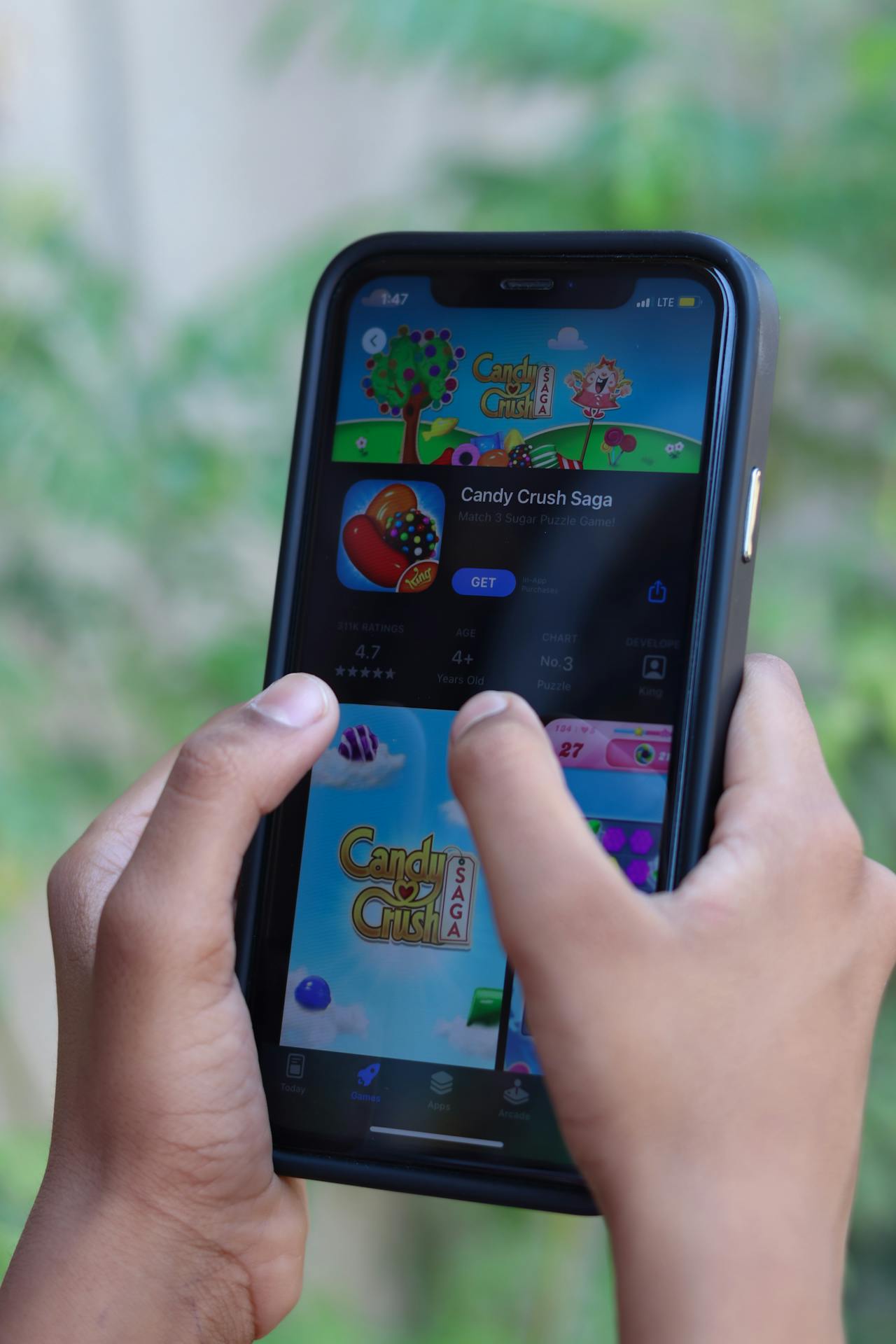
Case Study 2: Candy Crush Saga - Mastering the Art of Microtransactions
Candy Crush Saga by King is one of the most successful mobile games when it comes to microtransactions. With its seemingly endless levels and challenging puzzles, Candy Crush leverages small purchases to enhance the gaming experience. Players can buy extra moves or lives to overcome difficult levels.
The brilliance behind Candy Crush's IAP strategy is its timing and psychological triggers. By offering help at critical moments when a player is about to win a level, they gently nudge players towards making small purchases that seem trivial but add up over time. This encourages impulse buying without players feeling exploited.
Key Takeaway
Candy Crush Saga demonstrates how microtransactions can be strategically placed at emotional peak points within gameplay to encourage purchases without hampering the player's enjoyment.
Case Study 3: Monument Valley - Premium Pricing for Quality Content
Unlike many free-to-play games, Monument Valley by ustwo chose a premium pricing model with optional paid expansions. This puzzle-adventure game captivates players with its stunning visuals and innovative level design. After purchasing the base game, players can further enrich their experience through additional paid chapters.
Monument Valley's strategy capitalizes on delivering high-quality content that justifies its initial price and subsequent IAPs. The additional content feels like an optional bonus rather than a necessity to complete the experience, ensuring that all players feel satisfied regardless of whether they spend beyond the initial purchase.
Key Takeaway
The success of Monument Valley highlights the potential for premium models with quality content that attracts paying users who are willing to support continued development through expansions.
A Practical Mini-Framework for Developers
Based on these case studies, here’s a reusable mini-framework for implementing effective in-app purchase strategies:
- Identify Core Gameplay Elements: Ensure IAPs complement rather than detract from the core experience.
- Segment Your Audience: Understand different player types (e.g., casual vs. competitive) and tailor offerings accordingly.
- Create Value-Driven Offers: Make sure every purchase provides clear value to the player and enhances their enjoyment.
- Leverage Timing and Context: Introduce purchase opportunities at moments when players are emotionally engaged but not frustrated.
- Iterate Based on Feedback: Continuously refine your strategies based on player feedback and purchasing data.
Conclusion: Crafting Sustainable Revenue Models
The mobile gaming industry offers vast opportunities for revenue through in-app purchases, but success requires a thoughtful approach that prioritizes player satisfaction. By examining successful examples like Clash of Clans, Candy Crush Saga, and Monument Valley, developers can glean insights into crafting monetization strategies that are both lucrative and enjoyable for players. Ultimately, striking the right balance between profitability and playability is key to sustaining long-term success in mobile gaming.