
Examining User Experiences with Stadia and GeForce Now on Mobile Devices
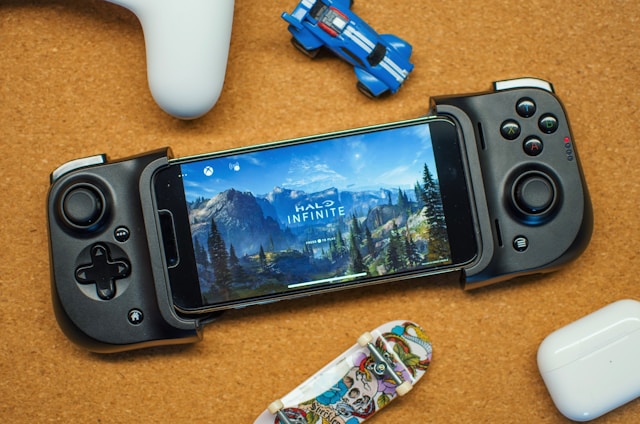
The Rise of Cloud Gaming on Mobile Devices
In recent years, the gaming landscape has seen a significant shift with the advent of cloud gaming services. These platforms promise high-quality gaming experiences without the need for expensive hardware, instead utilizing powerful remote servers. Among these services, Google Stadia and NVIDIA GeForce Now stand out as leaders, particularly in the mobile space.
Overview of Google Stadia and GeForce Now
Google Stadia launched with much fanfare as a revolutionary platform aiming to make gaming more accessible by eliminating the need for traditional consoles or gaming PCs. Stadia offers a subscription model that includes a selection of games along with the option to purchase titles individually.
NVIDIA GeForce Now, on the other hand, took a different approach. It functions more like a bridge between gamers and their existing game libraries from stores like Steam, Epic Games Store, and Ubisoft Connect. This means users can play the games they already own without purchasing them again on a new platform.
Performance on Mobile Devices
Performance is often the crux of the user experience in cloud gaming. With both Stadia and GeForce Now, players can stream games directly to their mobile devices, provided they have a stable internet connection. However, the performance may vary based on several factors such as internet speed, device specifications, and server proximity.
Internet Connectivity
For optimal performance on Stadia, Google recommends at least a 10 Mbps internet connection for standard-definition gaming, while 35 Mbps is suggested for 4K streaming. On a mobile device, maintaining consistent internet speed can be challenging, particularly when relying on mobile data rather than Wi-Fi. Users have reported variable performance in different network conditions, highlighting the necessity for strong connectivity.
GeForce Now has similar requirements but is often noted for its adaptability to varying network conditions. The service provides an option to adjust streaming quality based on current bandwidth availability, which can be particularly useful for mobile gamers who frequently transition between Wi-Fi and LTE connections.
Device Compatibility and Requirements
Both services support a wide array of Android devices, but there are notable differences in compatibility. Google Stadia requires Android 6.0 or higher and supports select Pixel devices and other Android phones. Meanwhile, GeForce Now's broader compatibility extends to Android devices running version 5.0 or later, offering more flexibility for users with older phones.
Game Libraries: A Diverse Offering
One of the key differentiators between Stadia and GeForce Now is their respective game libraries. Stadia's library has grown since its inception but still falls short compared to traditional platforms. It offers a mix of popular AAA titles and indie games available through its Pro subscription or individual purchases.
Conversely, GeForce Now's strategy of connecting to existing game libraries means users potentially have access to thousands of titles. This gives players more freedom to choose from their collections across multiple digital storefronts without additional purchases specific to the service.
- Case Study: Consider John, a casual gamer who frequently switches between his PC and mobile device. With GeForce Now, he enjoys seamless access to his Steam library across devices, whereas Stadia would require him to repurchase some titles.
User Experience: The Intangibles
Beyond technical specifications and game availability, user experience encompasses various intangible elements like ease of use, interface design, and customer support.
User Interface and Navigation
Stadia boasts a clean interface with intuitive navigation designed to be consistent across all platforms. This uniformity is beneficial for users transitioning between desktop and mobile versions of the app.
GeForce Now's interface is similarly straightforward but offers greater flexibility in terms of customization. Players can organize their libraries according to personal preference and quickly access settings optimized for mobile gameplay.
Community and Support
Community support plays a crucial role in shaping user experiences. Stadia’s community is growing steadily but still lags behind more established platforms in terms of size and active engagement. However, it benefits from Google's extensive support infrastructure, offering reliable customer service.
GeForce Now enjoys robust community support from both NVIDIA forums and platforms like Reddit. The community often provides solutions and tips to enhance gaming experiences, especially relevant for mobile gamers looking for performance tweaks.
Practical Tips for Mobile Cloud Gaming
For users exploring cloud gaming on mobile devices, here are some practical tips to enhance your experience:
- Utilize Wi-Fi: Whenever possible, connect to a stable Wi-Fi network to ensure consistent streaming quality.
- Adjust Streaming Settings: Both services offer options to adjust video quality; consider lowering these settings if you encounter lag or buffering issues.
- Use Bluetooth Controllers: Most modern games are optimized for controller input, so pairing a Bluetooth controller can significantly improve gameplay precision.
Conclusion: Choosing the Right Service for You
The choice between Google Stadia and NVIDIA GeForce Now ultimately depends on individual preferences and needs. Stadia might appeal to those interested in exploring new games without investing in traditional hardware, while GeForce Now is ideal for gamers looking to extend their existing library access to mobile devices without additional costs.
The evolution of cloud gaming continues to redefine how we engage with games on the go. Whether you're leaning towards Stadia's simplicity or GeForce Now's versatility, both platforms offer unique opportunities for mobile gaming enthusiasts eager to explore new horizons without being tethered to traditional systems.