
Innovative Augmented Reality Experiences in Today's Mobile Game Industry
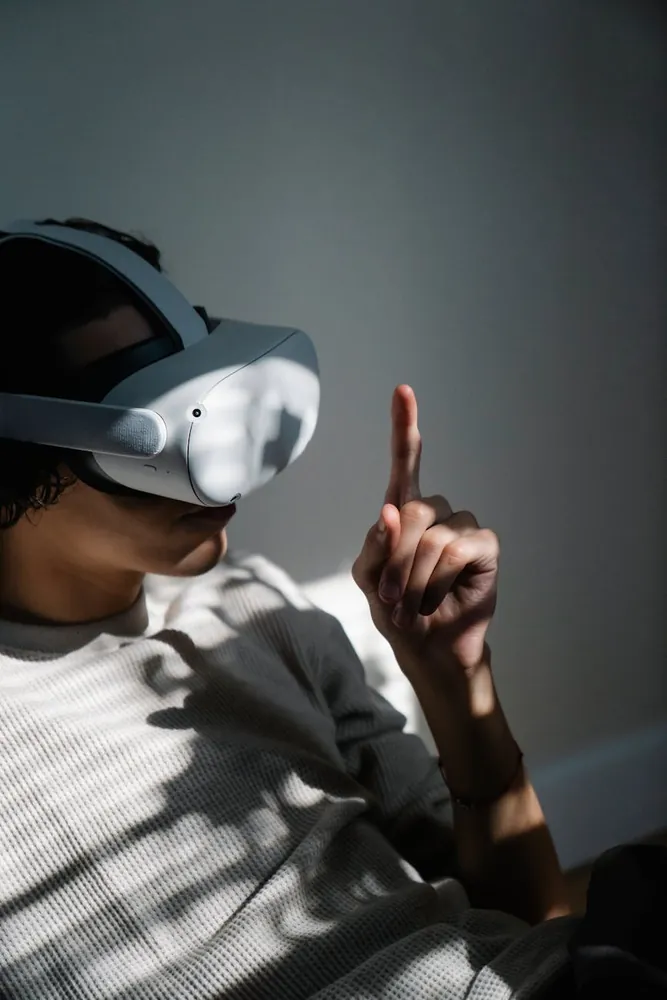
The Rise of Augmented Reality in Mobile Gaming
Over the past decade, augmented reality (AR) has transitioned from a futuristic concept to a cornerstone of the mobile gaming industry. Games leveraging AR technology blur the line between the digital and physical world, providing immersive experiences that engage users like never before. This transformation began in earnest with the launch of Pokémon GO in 2016, a title that became a cultural phenomenon almost overnight.
Augmented reality allows digital elements to be overlaid onto the real world through the lens of a smartphone camera, creating interactive experiences that captivate and retain players' attention. In this article, we will explore how certain games have harnessed AR to revolutionize mobile gaming and discuss the frameworks behind their successes.
The Phenomenon of Pokémon GO
Pokémon GO, developed by Niantic, is arguably the most well-known example of AR in mobile gaming. By using location-based data and AR technology, the game encourages players to explore real-world locations to capture virtual creatures known as Pokémon. This merging of real and virtual worlds has captivated millions worldwide and continues to drive user engagement.
One of the key elements of Pokémon GO's success is its ability to foster community interaction. Players often gather in public spaces for special events or battles, turning these digital interactions into real-world social activities. The game's use of PokéStops and Gyms at real-world landmarks also encourages exploration and exercise, adding a physical dimension that traditional games lack.
Game Design Techniques in Pokémon GO
- Location-Based Play: By requiring physical movement to different GPS coordinates, the game encourages players to discover new locations.
- Event-Driven Engagement: Regular in-game events aligned with real-world holidays keep the player base active and engaged.
- Social Mechanics: Group activities, such as Raid Battles, necessitate cooperation among players, enhancing social interaction.
These elements create an ecosystem where digital and physical worlds seamlessly interact, providing players with unique experiences each time they play.
Exploring Other Successful AR Titles
Harry Potter: Wizards Unite
Following Pokémon GO's success, Niantic partnered with Warner Bros. to bring the magical world of Harry Potter to life with Harry Potter: Wizards Unite. Utilizing similar AR mechanics, the game allows players to step into the shoes of wizards and witches as they solve mysteries across real-world locations.
The game incorporates spell-casting mechanics where players use their smartphones to trace glyphs on their screens, simulating wand movements. This interaction reinforces player immersion by aligning their physical actions with those expected in the Harry Potter universe.
The Walking Dead: Our World
Another innovative use of AR can be seen in The Walking Dead: Our World, developed by Next Games. This title blends AR with real-world navigation to bring zombie battles into your neighborhood. Players fight against hordes of zombies overlaid onto their actual surroundings, creating thrilling gameplay experiences akin to scenes from the popular TV series.
The game leverages ARKit and ARCore technologies to provide more stable and realistic interactions, ensuring zombies appear as if they are part of the environment around you. Its success is driven by this intense immersion and the ability to team up with other players globally for cooperative gameplay.
Designing Engaging AR Mobile Games: A Practical Framework
For developers looking to enter the AR mobile gaming market, understanding what makes these games successful is crucial. Here is a practical framework based on successful titles:
- Integrate Real-World Interactions: Design game mechanics that encourage exploration and interaction with real-world locations. Utilize local landmarks as part of gameplay to make experiences unique and location-specific.
- Create Social Opportunities: Facilitate social interactions both digitally within the game and physically among players. Encourage cooperative gameplay modes that require communication and teamwork.
- Leverage Device Capabilities: Use modern smartphone sensors, such as GPS and cameras, to enhance game features. Ensure your game is optimized for both iOS and Android platforms by utilizing tools like ARKit and ARCore.
- Offer Dynamic Content: Implement regular updates with new challenges or themes tied to real-world events or seasons. This keeps content fresh and maintains player interest over time.
The Future of AR in Mobile Gaming
The potential for augmented reality in mobile gaming is vast and largely untapped. As technology continues to advance, we can expect even more innovative uses of AR that will further integrate digital experiences with our physical world. Developers must remain creative and adaptive, continually pushing boundaries to provide gamers with exciting new experiences.
In summary, augmented reality has introduced a paradigm shift in how games are played on mobile devices. By immersively blending the virtual with reality, games like Pokémon GO have set new standards for what is possible. As more developers embrace this technology, players will continue to see groundbreaking innovations that redefine mobile gaming experiences.