
How Top Teams Use Communication to Succeed in Multiplayer Games
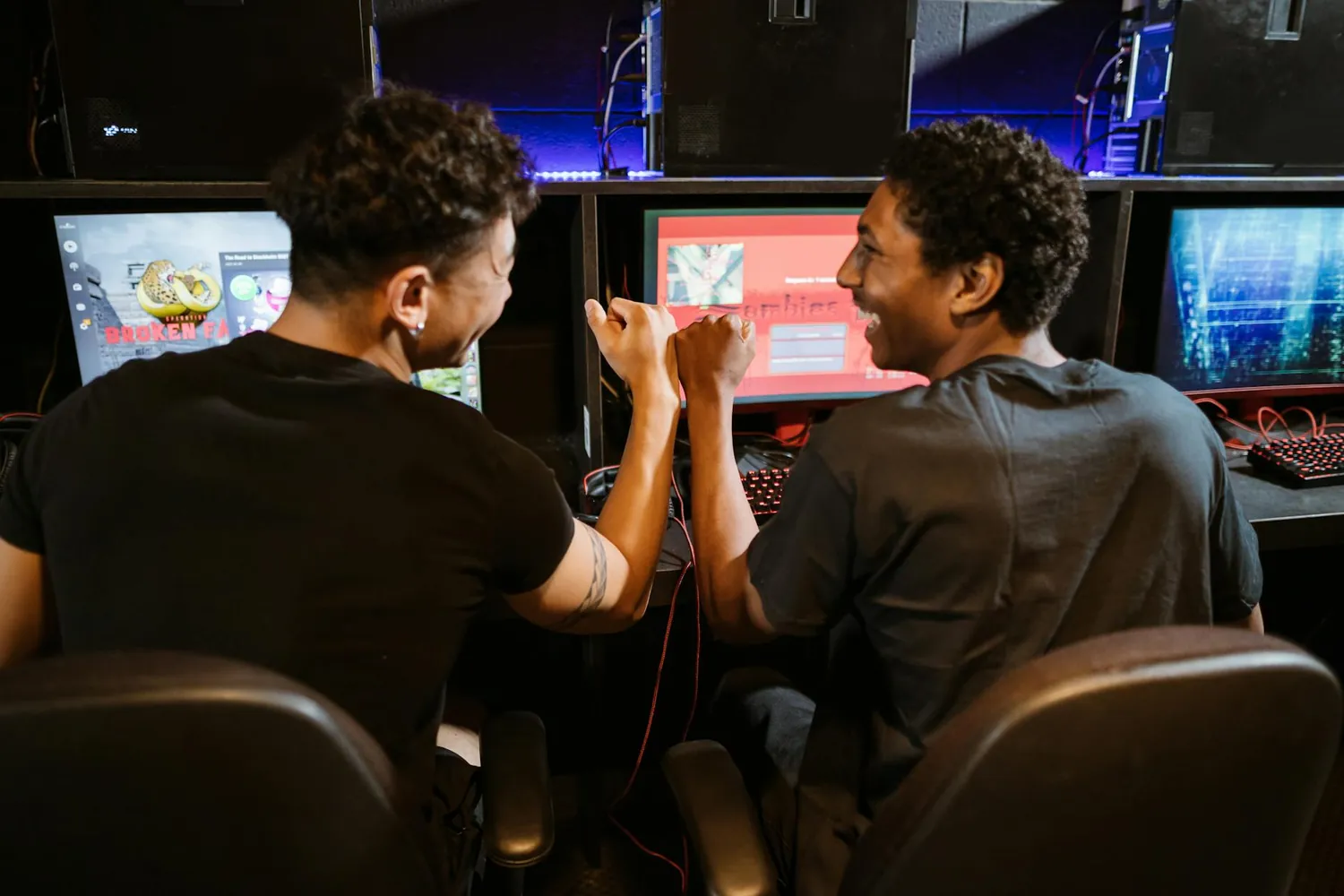
The Importance of Communication in Multiplayer Games
In the high-stakes world of competitive multiplayer games, effective communication is often the dividing line between victory and defeat. As teams navigate complex strategies and respond to dynamic gameplay environments, communication becomes the backbone of successful coordination and execution. This article delves into how top esports teams utilize sophisticated communication strategies to enhance their performance and maintain a competitive edge.
Setting Up the Right Communication Infrastructure
Effective communication begins with setting up the right infrastructure. This involves choosing appropriate software and hardware that facilitate clear, uninterrupted dialogue among team members. For instance, platforms like Discord and TeamSpeak are popular choices due to their reliability and low latency audio quality.
Top teams invest in high-quality headsets with noise-canceling features to eliminate background distractions. This ensures that every callout is crisp and can be clearly understood even amidst chaotic game scenarios. Furthermore, organizing communication channels for different functions—such as strategy discussions, casual chats, and immediate callouts—helps in streamlining communication.
Example: Cloud9’s Communication Setup
Cloud9, a leading esports organization, is known for its meticulous approach to communication. Each player is equipped with a state-of-the-art headset and uses Discord for real-time strategizing. Their setup also includes redundant systems, like backup internet connections and alternative voice channels, to ensure communication is never disrupted.
Developing a Common Language
One of the keys to effective communication is developing a common language that all team members understand intuitively. This often includes standardized callouts for maps, objectives, and enemy movements. Consistent terminology reduces confusion and increases the speed at which information is relayed.
Teams often practice together extensively to refine these callouts, ensuring everyone reacts appropriately to the information received. This practice helps in building muscle memory around verbal cues, making responses almost automatic during intense situations.
Example: G2 Esports’ Tactical Vocabulary
G2 Esports is renowned for its precise and efficient communication style. The team has developed an extensive vocabulary of callouts that covers every possible scenario in their key games, such as League of Legends and Valorant. This linguistic framework allows them to convey complex strategies with minimal words.
The Role of a Shotcaller
A shotcaller plays a pivotal role in guiding team efforts by making quick decisions based on the available information. This individual is responsible for coordinating attacks, defenses, and strategic shifts during gameplay. A good shotcaller must be able to read the game effectively, communicate decisively, and adapt strategies on the fly.
The effectiveness of a shotcaller can be enhanced by regular team meetings where strategies are reviewed and new tactics are brainstormed. These meetings ensure that every team member is aligned with the current meta and prepared for various game scenarios.
Example: Faker from T1
Faker, a legendary player from T1 in League of Legends, exemplifies outstanding shotcalling capabilities. His deep understanding of the game allows him to predict opponent movements and make split-second decisions that turn the tide of battle. His communication is succinct, leaving no room for misunderstanding.
The Impact of Non-Verbal Communication
While verbal communication is critical, non-verbal cues also play a significant role in team dynamics. These include visual signals within the game interface itself—such as pings and markers—and physical gestures among players in a LAN setting.
Pings are a powerful tool for quickly conveying locations, intentions, or alerts without breaking verbal communication lines. Teams practice using pings effectively so that they complement verbal calls rather than replace them.
Example: Use of Pings in Dota 2 by Team Secret
Team Secret utilizes Dota 2’s ping system extensively during matches. They have perfected the art of integrating pings into their strategies, allowing them to maintain high situational awareness without overloading verbal channels. This ensures fluid coordination even when direct voice communication might momentarily falter.
Overcoming Language Barriers in International Teams
In international teams where players may speak different native languages, overcoming language barriers is crucial for effective communication. Many top teams have adopted English as a common lingua franca but supplement it with universal gaming terms understood by all.
Cultural sensitivity and understanding play important roles here. Teams invest time in cultural exchange activities that foster camaraderie and help players appreciate each other’s perspectives. Some organizations also employ translators or language coaches to aid in this process.
Example: Multinational Squad OG in CS:GO
OG’s CS:GO roster comprises players from diverse nationalities, necessitating robust cross-cultural communication practices. The team relies heavily on shared gaming language and regular bonding sessions to build strong interpersonal relationships that translate into seamless in-game collaboration.
Regular Practice Sessions Focused on Communication
The best teams dedicate specific practice sessions solely to improving their communication skills. These sessions involve mock matches where players focus on refining callouts, response times, and clarity of speech under pressure.
- Recording sessions: Analyzing recorded matches allows teams to identify lapses or inefficiencies in communication.
- Role-playing scenarios: Teams simulate potential crisis scenarios to test their communication readiness.
This focused practice ensures that communication does not break down during critical moments in actual tournaments.
Example: Fnatic’s Practice Routines
Fnatic schedules weekly practice sessions aimed specifically at enhancing team communication. By reviewing recordings of their scrims and engaging in feedback loops, they continuously improve both individual and collective communicative abilities.
The Psychological Aspect: Building Trust and Chemistry
Beyond technical skills, the psychological aspect of communication cannot be underestimated. Trust and chemistry among players enable more effective exchanges as team members feel comfortable expressing ideas without fear of judgment.
Team-building exercises outside gaming contexts—such as retreats or collaborative projects—contribute significantly towards establishing trust. When players bond on personal levels, their professional interactions become more intuitive and cohesive.
Example: Team Liquid’s Bonding Practices
Team Liquid invests heavily in fostering a supportive team environment. They organize events ranging from casual dinners to adventure outings where players interact away from screens. These initiatives have been instrumental in creating strong emotional bonds that translate into superior team performance during competitions.
The Future of Communication in Competitive Gaming
The landscape of esports is constantly evolving with technological advancements opening new possibilities for enhancing team communication. Virtual reality (VR) platforms offer immersive environments where players can strategize and practice together more realistically than ever before.
Artificial intelligence (AI) tools capable of analyzing player communications might soon provide insights into optimizing interaction patterns further—aiding coaches in refining training methodologies tailored specifically towards maximizing communicative efficiency.
As these innovations continue shaping future trajectories within competitive gaming realms globally, there remains an unwavering truth: at its core lies teamwork—and teamwork thrives on well-honed communication skills cultivated through dedication patience unwavering commitment shared visions success stories written one word another weaving tapestry excellence within digital arenas worldwide today tomorrow beyond