
the importance of setting boundaries with friends while gaming online
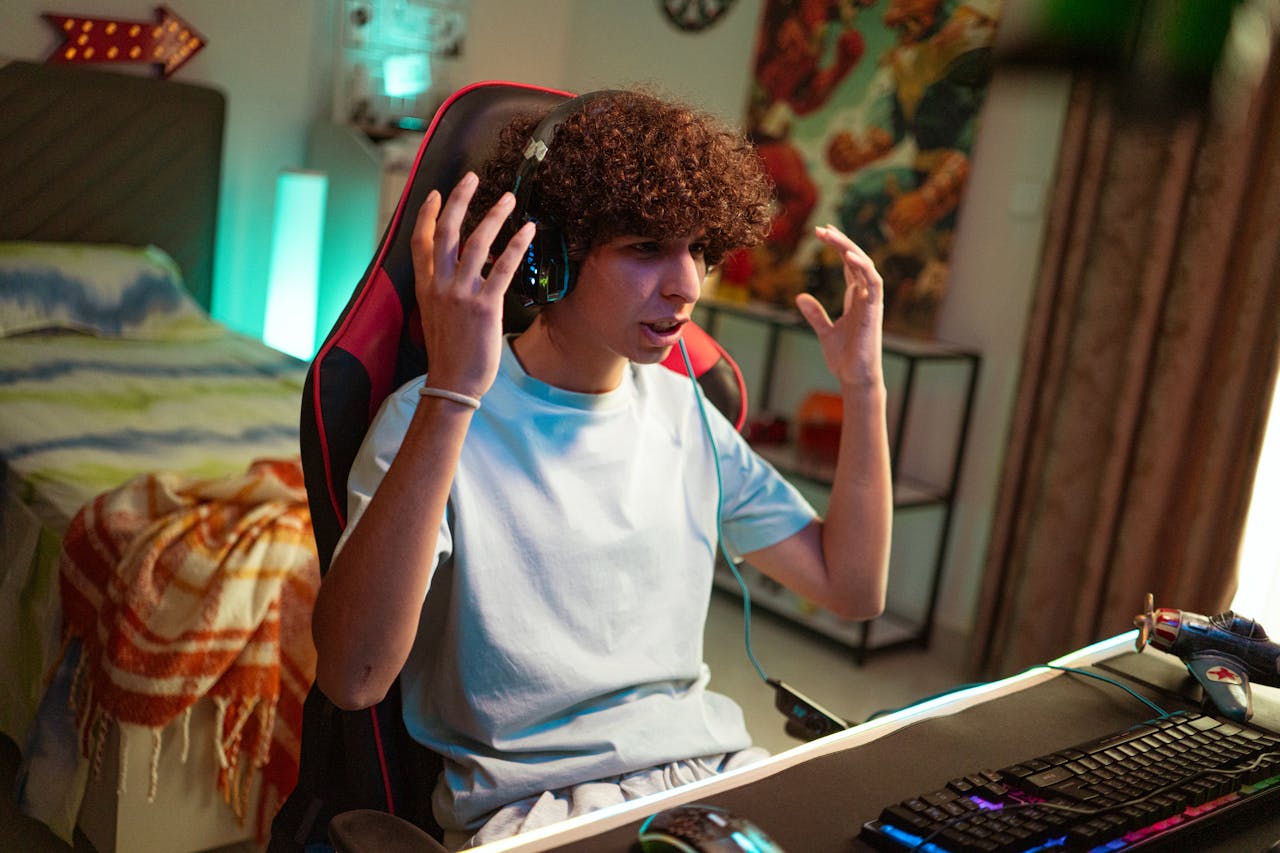
Understanding the Dynamics of Online Friendships in Gaming
In the realm of multiplayer gaming, friendships can flourish across continents and cultures. The instant camaraderie that arises from shared challenges and victories can create bonds as strong as those formed in person. However, this digital intimacy also presents unique challenges, especially when it comes to maintaining healthy relationships. Setting boundaries is crucial for ensuring these friendships remain positive and enjoyable.
The Nature of Online Gaming Friendships
Online gaming allows players to connect over shared interests in a way that transcends geographic barriers. Whether you're coordinating with your squad in Call of Duty or embarking on a quest in World of Warcraft, these interactions often require teamwork, communication, and trust, all fundamental elements of friendship.
Yet, unlike offline friendships, online interactions are bound by the rules of the virtual world, where anonymity and distance can sometimes blur personal boundaries. This can lead to misunderstandings or conflicts if not managed correctly.
Recognizing When Boundaries Are Needed
Not every gaming session requires a lengthy discussion about boundaries, but there are certain signs and scenarios where establishing them can be beneficial:
- Emotional Drain: If a gaming session frequently leaves you feeling exhausted or upset, it may be time to reassess the dynamic.
- Time Management: Finding yourself prioritizing game time over important personal or professional responsibilities?
- Conflicting Goals: Do differing objectives in games lead to frequent arguments?
Recognizing these signs can be the first step in setting necessary boundaries.
Case Study: The Overcommitted Gamer
Take Jake and his friend Sarah, who met in a competitive online shooter. Initially, they played together casually, but as they became closer, their sessions grew more frequent and intense. Sarah started feeling overwhelmed, as she was sacrificing sleep and study time to keep up with Jake's schedule.
This scenario is common and highlights the need for setting expectations early. Sarah decided to communicate her concerns directly, suggesting they set specific days and times for gaming, allowing her to balance her commitments better. This not only helped preserve their friendship but also made their gaming sessions more enjoyable and less stressful.
Strategies for Setting Boundaries
Establishing boundaries does not mean creating barriers; rather, it's about fostering mutual respect and understanding. Here are some strategies that can help:
Open Communication
The cornerstone of any healthy relationship, online or offline, is open communication. Be transparent about your availability and limits. For example, if you're only free during weekends, let your friends know in advance.
In Jake and Sarah's case, a simple conversation about their personal commitments outside gaming allowed them to develop a plan that suited both parties without any resentment.
Utilize In-Game Features
Most modern multiplayer games come equipped with features that can help manage boundaries effectively:
- Status Indicators: Use 'Do Not Disturb' or 'Away' statuses to signal when you're unavailable.
- Mute Options: If a player becomes too overwhelming or negative, muting their communications temporarily can give you space while you assess the situation.
These tools can help maintain a friendly atmosphere without direct confrontation.
Create a Social Contract
A social contract doesn't need to be formal but can be a verbal agreement among friends to respect each other's limits and schedules. This could include:
- Acknowledging real-life priorities over gaming commitments.
- Avoiding pressure to join games outside agreed times.
This creates a framework that everyone understands and respects.
Navigating Conflicts with Friends
Inevitably, conflicts will arise in any relationship. The key is not to avoid them but to handle them constructively. Here are steps to take when disagreements occur:
Assess the Situation Calmly
Before reacting, take a moment to calm down. Emotions can run high during intense gameplay, but responding while agitated can escalate the situation unnecessarily.
Address the Issue Directly
Once you've cooled down, address the issue directly with your friend. Be specific about what aspect of their behavior was problematic and how it affected you.
In our case study, if Sarah had found Jake's persistent requests to play late at night troublesome, she might express this by saying, "I feel overwhelmed when we play late because I miss out on sleep." This approach focuses on feelings rather than accusations.
Seek Mutual Solutions
The goal is to find a resolution that benefits both parties. This might involve compromising on play times or agreeing on certain conduct during gameplay.
If disagreements persist despite best efforts, it might be beneficial to take a break from playing together. This pause can provide necessary perspective and prevent further damage to the friendship.
The Benefits of Healthy Boundaries
Establishing boundaries isn't just about resolving current issues; it also fosters long-term benefits:
- Sustained Enjoyment: Clear expectations lead to more enjoyable and less stressful gaming sessions.
- Personal Well-being: With boundaries in place, players can maintain a healthy balance between gaming and other life activities.
- Stronger Friendships: Respecting boundaries shows consideration for friends' needs, strengthening the trust between players.
Conclusion: Cultivating Positive Gaming Environments
The world of online multiplayer games is a vibrant landscape of opportunities for friendship and fun. By recognizing the importance of setting boundaries with friends, players can ensure these experiences remain positive and enriching. Remember, the goal is not just to play together but to enjoy doing so within mutually respectful frameworks.