
Examining Next-Gen RPGs and Their Game-Changing Mechanics
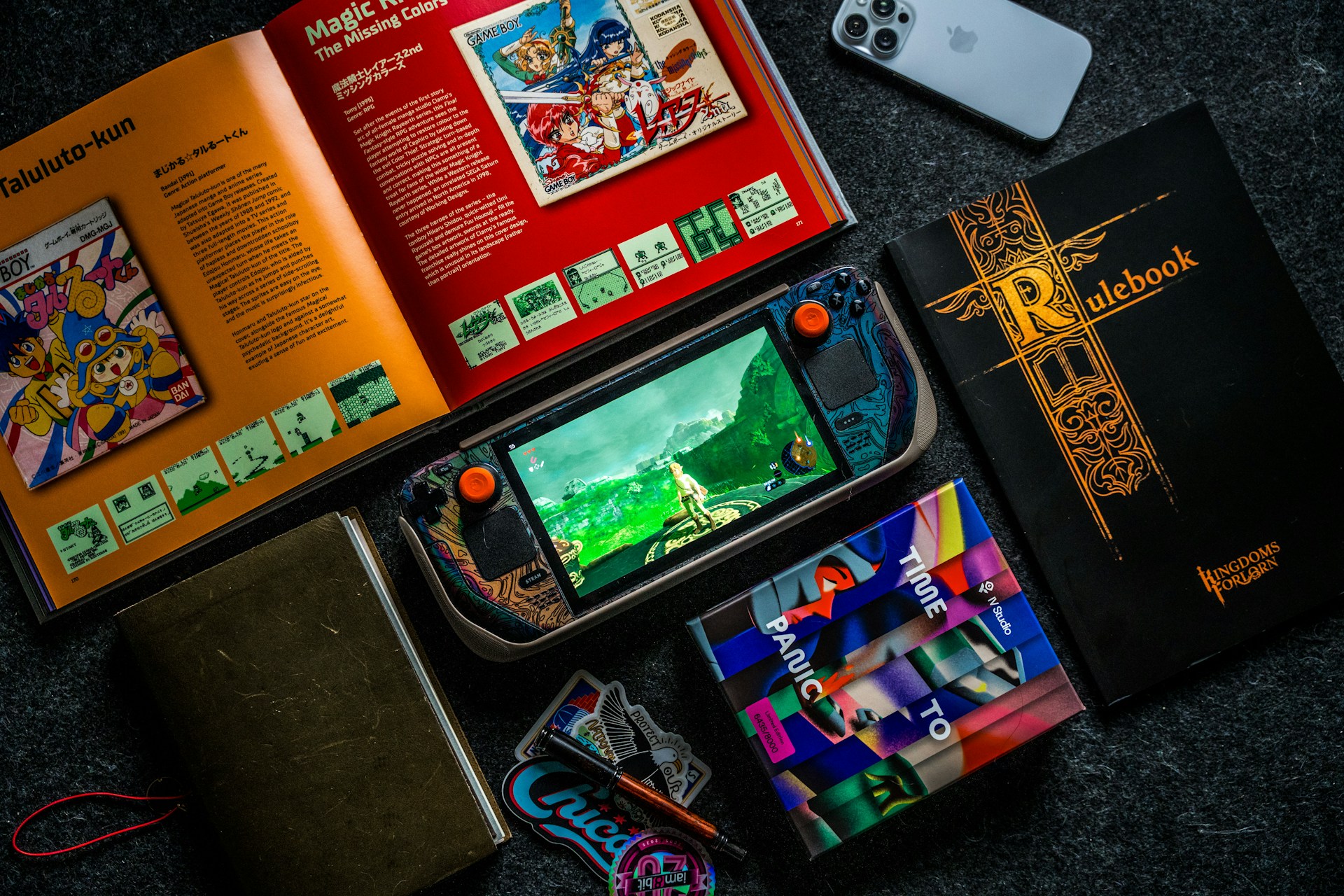
The Evolution of RPG Mechanics
Role-playing games (RPGs) have long been a cornerstone of the gaming industry, offering players immersive worlds to explore and intricate stories to unravel. With the advent of next-gen gaming consoles and cutting-edge technology, developers are pushing the boundaries of traditional RPG mechanics, introducing innovative features that promise to revolutionize player experiences.
In this article, we'll delve into some of the groundbreaking gameplay mechanics being introduced in upcoming RPG titles. These innovations not only enhance gameplay but also shape how players interact with game worlds and narratives.
Innovative Gameplay Mechanics in Upcoming RPGs
1. Dynamic NPC Interactions
Gone are the days when non-player characters (NPCs) served solely as quest-givers or static story elements. In next-gen RPGs, developers are crafting NPCs with more dynamic interactions, allowing them to respond to player choices in real-time.
For example, in the upcoming title Chronicles of Elara, NPCs remember previous interactions and change their behavior accordingly. This memory system adds depth to the narrative, making each player's journey unique based on their decisions.
2. Procedural Storytelling
Procedural generation isn't new in gaming, but its application to storytelling is a novel approach. By dynamically generating plotlines based on player actions, developers can offer virtually limitless replayability.
Consider Eclipse: The Shattered Realm, an RPG where every player's story is distinct. The game adapts narrative arcs based on in-game actions, ensuring no two playthroughs are identical.
3. Adaptive AI Companions
AI companions have become a staple in many RPGs, but next-gen titles are taking this concept further with adaptive AI. These companions learn from the player's strategies, becoming more effective allies over time.
In Guardians of Terra, your AI companion analyzes your combat style and adapts its behavior to complement your playstyle, whether you prefer stealthy approaches or all-out assaults.
The Impact on Player Experiences
These innovative mechanics don't just add variety; they fundamentally alter how players engage with RPGs. Here are a few ways these changes impact player experiences:
- Increased Immersion: Dynamic NPC interactions and procedural storytelling immerse players deeper into the game world, making it feel alive and responsive.
- Personalized Narratives: With adaptive stories and AI companions, players can enjoy narratives tailored to their choices and preferences.
- Enhanced Replayability: Procedural storytelling ensures that players can revisit the same game without experiencing repetitive content, keeping the adventure fresh.
Predicting Community Reception
The gaming community's response to these mechanics will be pivotal in determining their success. Historically, players have shown enthusiasm for innovation but also skepticism when changes disrupt familiar formulas.
Here are some potential community reactions:
- Excitement for Novelty: Gamers often crave fresh experiences, and these mechanics promise to deliver engaging and original gameplay.
- Concerns Over Complexity: While innovation is welcome, overly complex systems can overwhelm players. Balancing depth with accessibility will be crucial.
- Desire for Stability: Players may worry about technical issues arising from new systems, emphasizing the importance of robust testing before release.
Mini-Framework for Evaluating New RPG Mechanics
For gamers eager to assess these next-gen mechanics, here's a practical mini-framework you can use:
- Identify Innovative Features: Look for standout features that differentiate the game from others. Pay attention to how these innovations might enhance gameplay.
- Evaluate Potential Impact: Consider how these features could affect player engagement and overall enjoyment. Will they add depth or complicate gameplay?
- Predict Community Reaction: Gauge how the broader gaming community might receive these innovations. Are similar features in other games well-received?
This framework allows players and developers alike to critically examine new mechanics and anticipate their influence on the RPG landscape.
Conclusion: A New Era for RPGs
The landscape of role-playing games is evolving rapidly, driven by technological advancements and a hunger for richer, more interactive experiences. As developers continue to push boundaries, we can expect RPGs to become increasingly immersive and personalized.
The introduction of dynamic NPC interactions, procedural storytelling, and adaptive AI companions marks a significant shift in game design philosophy. These innovations hold the promise of reshaping how we experience virtual worlds and narratives, setting the stage for a new era of RPGs.