
understanding the impact of AI in modern game character creation
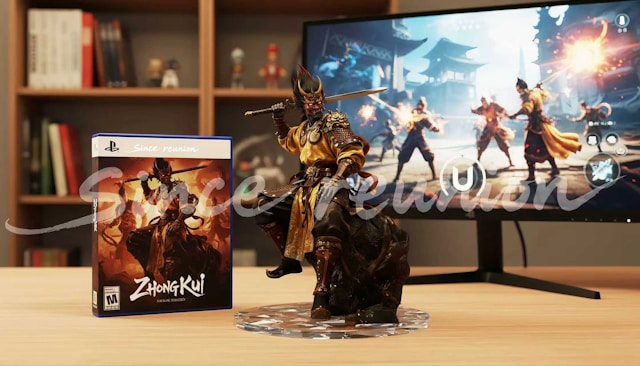
The Rise of AI in Game Character Creation
Artificial intelligence has steadily made its way into various aspects of game development, revolutionizing the way developers create and implement game characters. From providing lifelike animation to enabling complex decision-making, AI is at the forefront of crafting dynamic and adaptive game environments. By examining the integration of AI in games, we can understand how it enhances player interaction and contributes to narrative depth.
Adaptive NPCs: The Core of Immersive Gameplay
Non-player characters (NPCs) are crucial in defining a game's world and its interactive capacity. Traditional approaches have often involved scripted behaviors, which, while effective, can lead to predictability. AI-driven characters introduce unpredictability and adaptability by learning from player actions.
For instance, in 'The Elder Scrolls V: Skyrim', NPCs react to the player's reputation and previous interactions, allowing for a more personalized gaming experience. This adaptability increases engagement by making each playthrough unique.
AI-Driven Narrative Depth
Narrative depth in video games is enhanced by AI's ability to process numerous variables and generate appropriate character responses. In role-playing games like 'The Witcher 3', AI plays a pivotal role in determining how characters interact with players based on their past decisions and moral standing.
This capability allows for branching storylines that reflect the complexity of human interactions, thus enhancing the emotional stakes of the narrative.
Case Study: Procedural Storytelling in 'Shadow of Mordor'
'Middle-earth: Shadow of Mordor' is renowned for its Nemesis System, an AI-driven mechanic where enemies remember past encounters with the player, leading to procedurally generated stories and rivalries. This system showcases AI's potential to craft personalized narratives without heavy scripting, ensuring each player experiences a distinct story arc.
- Pros: Offers unique gameplay experiences; high replayability.
- Cons: Requires significant computational power; complexity in balancing procedural outcomes.
Character Behavior Prediction
AI's predictive capabilities allow for realistic character behavior modeling. In sports simulations like 'FIFA', AI predicts player movements, enabling NPCs to perform strategic plays similar to real-life athletes. This enhances realism and provides players with a challenging yet enjoyable experience.
Machine Learning for Animation
Animation is another area where AI has had a significant impact. Machine learning algorithms can create animations that adjust in real time to environmental changes. Games like 'The Last of Us Part II' use AI to simulate natural motion seamlessly, providing fluidity that scripted animations might lack.
This approach requires less manual animation work and allows for more responsive character movements, enhancing immersion by reducing visual artifacts commonly associated with transition errors between animations.
When to Use AI in Game Development
The decision to implement AI should be guided by the desired player experience and the technical constraints of the game. AI excels in dynamic worlds where variability is key, such as open-world games and simulations. However, for tightly controlled narratives or hardware-limited platforms, simpler scripting may be preferable due to lower computational demands.
The Balance Between Control and Autonomy
Developers must strike a balance between giving AI enough autonomy to enhance immersion and maintaining control to ensure coherent storytelling. In action-adventure titles where a cohesive plot is vital, developers might choose hybrid approaches that combine AI with traditional scripting techniques.
Challenges and Considerations
Implementing AI effectively requires careful planning and consideration of factors such as computational load, design complexity, and testing rigor. Ensuring that AI behaves in a way that aligns with player expectations is critical to avoid frustration or immersion-breaking experiences.
- Computational Load: AI processes can be resource-intensive, impacting performance on less powerful platforms.
- Design Complexity: Crafting engaging and believable AI behavior requires intricate design frameworks and robust testing methodologies.
Conclusion
The integration of AI in game character creation opens up new possibilities for dynamic gameplay and rich storytelling. By enhancing character adaptability and narrative complexity, AI ensures that games continue to evolve as immersive storytelling mediums. Developers who harness these capabilities effectively will push the boundaries of what games can achieve, offering players deeper engagement through uniquely personalized experiences.